How Wild Goose Festival Helps Me Heal

It’s been over a month now, but mid-July I attended my third Wild Goose Festival.  The first time I went to Wild Goose, it was 2015 and my life was in shambles.  I had recently broken up with my partner of 5 years, and I was in the middle of another complicated relationship situation.  I had no idea what I was doing, and my plans for the future had completely crumbled.  But, luckily, I was interning for the goddess Bec Cranford, who told me to pack a bag because we were going camping.  I had no idea what was in store, but I knew that if Bec loved it, it had to be good.

That first Goose, I wandered around by myself a lot.  I stood with my feet in the river and stared out into the wilderness.  I played drums in a circle with strangers.  I wept while someone held me.  It was what my soul needed in one of the most difficult seasons I’ve experienced.  I was in the process of learning that I could care about justice, creation, people of color, LGBTQ people, and still be a Christian.  I found belonging with like-minded Goose-goers.  I sat in the presence of prophets.  I sang and danced with my feet in the dirt.  My first Goose came at just the right time.

The next year, I started a job right before the Goose was scheduled, so I wasn’t able to go.  In 2017, though, I returned gleefully.  It felt like coming home.  I stayed up until 3am dancing.  I held Nadia Bolz-Weber’s purse.  Even though I came to the Goose alone that year, I didn’t feel lonely.

This past year was potentially my favorite experience yet.  I was able to convince my best friend to come with me, and I acquired a tent through the magic of Craigslist.  Having met more friends and acquaintances at the Goose over the years, I was excited to see these kindred souls in person.  But perhaps the most fulfilling part of it all was being able to look back.  The Goose serves as a time marker for me, much like birthdays or New Year’s.  But because I have time and space for self-reflection at the Goose, I’m able to mark time in an even more poignant way.

My first year, I never could’ve imagined that I would find love again with someone who loves me so well.  I was in the throes of abuse, and a healthy relationship seemed far off.  My second year, I wrestled with my experiences of sexual assault and whether I was brave enough to tell my own story.  I also felt tangled in my feelings about my sexuality.  A year ago, I couldn’t fathom coming out publicly.  I could barely be honest with myself.  This year, I bought a shirt that says “THE FUTURE IS QUEER” and got a tattoo that incorporates the bi flag.  This coming year, I’m considering what it would look like to be a co-creator and sharing my story with others at the Goose.

When I think I haven’t come very far, the Goose serves as a reminder that I have accomplished great things within myself.  I have healed.  I have wept.  I have felt the dirt on my toes.  I have been vulnerable.  I have done the emotional work to be true to myself and my experiences.

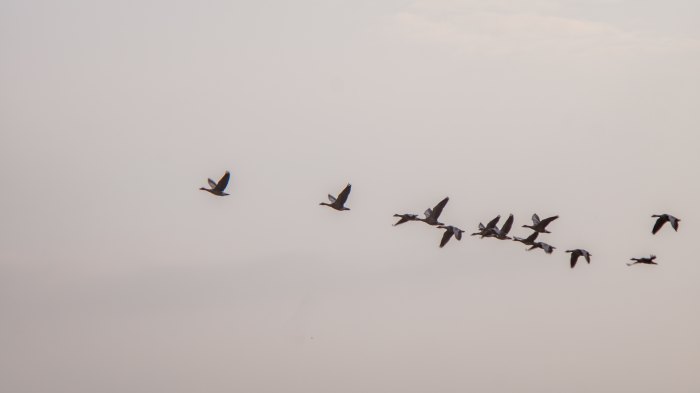
Each July, I treasure the ability to take a litmus test to my soul and know that I am brave enough to fly with the wild geese.

EXCITING ANNOUNCEMENT!

Quick but most exciting announcement! A collection of nonfiction from Georgia’s Emerging Writers was released today, and guess who’s in it? That’s right. Ya girl. I’m so honored that my piece was chosen to be featured and I’m excited to see what other opportunities this will bring. You can buy the collection here!

Why leave the closet?

It’s been a long few weeks, y’all.  Since coming out, I’ve gone to Wild Goose Festival (still haven’t written about that adventure), hosted my childhood best friend’s bachelorette party, moved to a new house, and sprained my ankle.  It’s been a time.  But through all that, lurking in the back of my mind was how to make sense of why I felt like it was important for me to come out.

I’ve been asked this questions several times, sometimes from people who are not affirming of the LGBTQ community and other times from people who are supportive and trying to get to know me better.  At first, I wasn’t sure how to answer.  I could only explain my coming out by saying that I knew I had to.  I couldn’t resist it anymore.  A part of me that had been beaten, oppressed, locked away, and shamed for so long finally had a chance to creep out into the light, and I was tired of telling it no.  After years of therapy and self-reflection, I finally developed the courage to say “hey, this is who I am.”  And once I fully embraced that thought, there was nothing I could do to stop it anymore.  For me, coming out as bi has nothing to do with polyamory (although plenty of people of all different sexualities are and find it fulfilling) or leaving my current relationship.  I am happy with a straight man.  But I am still a queer person, and I’m tired of being erased.

Bi erasure is a problem even within the queer community.  I constantly hear people say that bi people are just gays who haven’t come all the way out yet.  While that can sometimes be the case, bisexuality is also it’s own legitimate identity.  When I’m dating a man, I’m not “straight.”  If I were dating a woman, I wouldn’t be a lesbian.  If I were dating a trans person, my sexual identity would not depend on how they identified their gender.  No matter who I am with, I am still bi.  My identity is my own identity, regardless of who my partner is.  I do not want half of who I am to be erased simply because of who I’m with.

But it’s more than that.  It’s not just about me.

In case you’re not aware, the United Methodist Church is currently in the middle of a years-long debate about human sexuality.  For the past several General Conferences (held every four years – lining up with presidential election years in the US), voting on issues of human sexuality has resulted in arguments, protests, tears, and an inability to understand The Other.  Because of this current debate, I knew that I was putting myself at risk by coming out and simultaneously being a Methodist clergyperson.  I haven’t yet received any feedback from the church, but, technically, I could have my clergy credentials removed.  LGBTQ people are not allowed to be clergy in the Methodist church, which is a primary issue up for debate at all of these conferences.

The people in the congregations I’ve served need to know that someone among them is queer.  So many people who believe damaging things about homosexuality think that they don’t know anyone who’s queer.  It’s easy to have hurtful opinions about a group of people that you don’t actually know.  It’s much harder to look a member of that group in the face and share those opinions, especially if that person is a member of your faith community.  So, by coming out, I hope to also start conversations with people who don’t know where they stand and also with people who do know where they stand and want to have conversation about LGBTQ issues.  So if you have questions, let’s chat.

I want everyone to know who I am, even if it means losing a few relationships with those who refuse to accept me.  In this politically horrendous time, I cannot be silent any longer.  In a time when Christianity is seen as an exclusionary religion, I want to invite people on the margins in by showing them that I am on the margins too.  Being queer means so many different diverse things, just like the rainbow we wave, and I’m grateful to finally be a public member of this community.  So, let’s allow all the colors to be visible and make the world a little brighter with how fabulous we are.